In hospitality design, lighting is more than illumination—it’s atmosphere, emotion, and identity. The right lighting strategy can turn a simple space into a memorable experience, influencing how guests feel, interact, and remember your brand. From boutique hotels to fine-dining restaurants, thoughtful lighting design plays a critical role in shaping perception and enhancing comfort.
1. Layered Lighting for Depth and Flexibility
A well-designed hospitality space relies on layered lighting. This includes:
Ambient lighting for overall illumination
Task lighting for functional areas such as reception desks or dining tables
Accent lighting to highlight architectural details, artwork, or focal points
Layering allows spaces to feel dynamic rather than flat. It also provides flexibility—lighting can shift from bright and energetic during the day to warm and intimate in the evening.
2. Warm Tones for Comfort and Connection
Warm color temperatures (typically 2700K–3000K) create a welcoming and relaxing atmosphere. In hotels, warm lighting in guest rooms enhances comfort and promotes rest. In restaurants and lounges, it encourages guests to linger longer, enhancing the overall dining experience.
Cooler lighting may be appropriate in functional areas like conference rooms or fitness centers, where clarity and focus are priorities.
3. Statement Fixtures as Design Elements
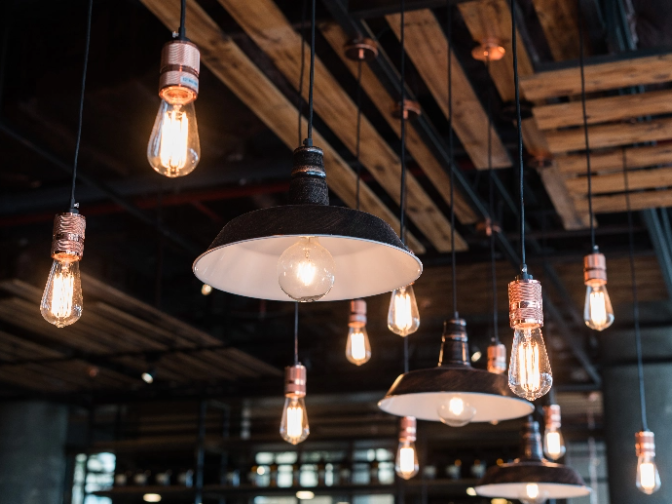
Decorative lighting fixtures can serve as visual anchors. Chandeliers, pendant clusters, and sculptural lighting pieces add personality and sophistication to lobbies and dining areas. These fixtures often become signature elements that guests associate with the brand.
Lighting should complement the architectural theme—modern, industrial, classic, or minimalist—ensuring design cohesion throughout the space.
4. Smart Lighting Controls for Adaptability
Technology has transformed hospitality lighting. Smart lighting systems allow staff to adjust brightness, color temperature, and scenes throughout the day. Automated systems can respond to natural daylight levels, improving energy efficiency while maintaining consistent ambiance.
Scene-based controls are especially valuable for event spaces, enabling quick transitions between conferences, weddings, and evening receptions.
5. Highlighting Architectural Features
Accent lighting enhances textures, materials, and structural elements. Wall washers can emphasize stone or wood finishes, while concealed LED strips add dimension to ceilings and coves. Properly positioned lighting draws attention to brand features without overwhelming the space.
Subtlety is key—the goal is enhancement, not distraction.
6. Energy Efficiency and Sustainability
Sustainability is increasingly important in hospitality design. LED technology significantly reduces energy consumption and maintenance costs. Integrating daylight harvesting and motion sensors further supports eco-friendly operations, aligning with modern environmental standards and guest expectations.
7. Enhancing Outdoor and Transitional Spaces
Outdoor lighting extends the guest experience beyond interiors. Pathway lighting improves safety, while landscape lighting creates inviting courtyards and terraces. Transitional spaces—such as entrances and corridors—should maintain consistent lighting design to ensure a seamless journey from arrival to departure.
Lighting has the power to define hospitality environments. By combining layered design, warm tones, smart controls, and energy-efficient solutions, hospitality spaces can achieve both functionality and emotional impact. When executed thoughtfully, lighting doesn’t just illuminate a space—it transforms it into an experience guests will remember long after they leave.